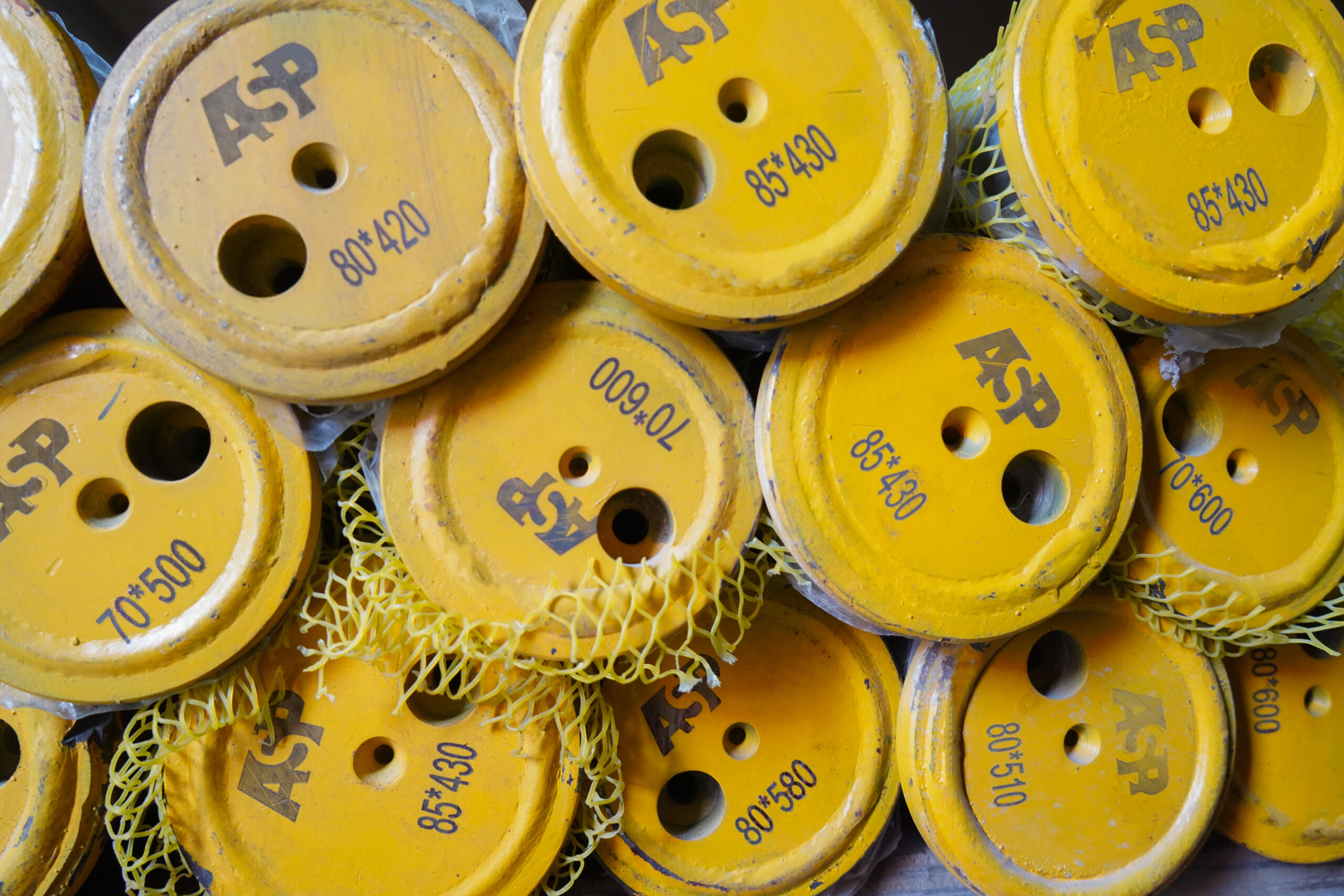
When it comes to sourcing spare parts for your heavy equipment, you’re often presented with two choices: Original Equipment Manufacturer (OEM) parts or aftermarket parts. Each option has its merits, but understanding the differences between them is crucial for making informed decisions that impact equipment performance, maintenance, and your bottom line. In this blog, we delve into the pros and cons of both OEM and aftermarket spare parts to help you navigate this essential choice.
OEM Spare Parts:
Pros:
Quality Assurance: OEM spare parts are manufactured by the same company that produced your equipment. This means you’re getting parts specifically designed to match your equipment’s specifications and quality standards.
Exact Fit: OEM parts are engineered to fit your equipment precisely. You can be confident that the part will seamlessly integrate into your machinery without any modification.
Reliability: OEM parts have a proven track record of reliability and performance. Manufacturers rigorously test these parts to ensure they meet stringent standards.
Warranty Coverage: Many OEM spare parts come with warranty coverage. If the part fails due to a manufacturing defect, you’re protected by the manufacturer’s warranty.
Consistency: OEM parts ensure consistency in performance, helping you maintain the same level of quality and efficiency as the original components.
Cons:
Higher Cost: OEM parts tend to be more expensive than their aftermarket counterparts due to the brand’s reputation, quality, and warranty coverage.
Aftermarket Spare Parts:
Pros:
Cost-Effective: Aftermarket parts are often more affordable than OEM parts, making them an attractive option for those looking to reduce maintenance costs.
Wide Availability: Aftermarket parts are widely available from various suppliers, giving you more options to choose from.
Innovation: Some aftermarket manufacturers introduce innovations and improvements that may not be present in the original OEM parts.
Customization: Aftermarket options sometimes offer customization features that cater to specific needs or preferences.
Cons:
Quality Variability: The quality of aftermarket parts can vary significantly. Some manufacturers may prioritize cost savings over quality, leading to potential issues with fitment and performance.
Fitment Challenges: Due to the variety of equipment models, aftermarket parts may not always fit perfectly, leading to compatibility issues.
Limited Warranty: Aftermarket parts may not always come with a comprehensive warranty, leaving you vulnerable to premature failures.
Making the Choice:
When deciding between OEM and aftermarket spare parts, consider the critical factors that align with your priorities. If uncompromised quality, reliability, and an exact fit are paramount, OEM parts are your best bet. However, if cost savings are a priority and you’re willing to do thorough research to ensure quality, aftermarket parts could be a viable option.
Ultimately, the right choice depends on your specific needs, equipment type, and budget. It’s essential to strike a balance between cost and performance, aiming to secure spare parts that not only maintain your equipment’s efficiency but also contribute to its long-term productivity. Whether you opt for the reassurance of OEM parts or explore the value of aftermarket alternatives, your decision shapes the performance and longevity of your heavy equipment.