Preloader icon

Sample Page 6

This is an example page. It’s different from a blog post because it will stay in one place and will show up in your site navigation (in most themes). Most people start with an About page that introduces them to potential site visitors. It might say something like this:

Hi there! I’m a bike messenger by day, aspiring actor by night, and this is my website. I live in Los Angeles, have a great dog named Jack, and I like piña coladas. (And gettin’ caught in the rain.)

…or something like this:

The XYZ Doohickey Company was founded in 1971, and has been providing quality doohickeys to the public ever since. Located in Gotham City, XYZ employs over 2,000 people and does all kinds of awesome things for the Gotham community.

As a new WordPress user, you should go to your dashboard to delete this page and create new pages for your content. Have fun!

Sample Page 4

This is an example page. It’s different from a blog post because it will stay in one place and will show up in your site navigation (in most themes). Most people start with an About page that introduces them to potential site visitors. It might say something like this:

Hi there! I’m a bike messenger by day, aspiring actor by night, and this is my website. I live in Los Angeles, have a great dog named Jack, and I like piña coladas. (And gettin’ caught in the rain.)

…or something like this:

The XYZ Doohickey Company was founded in 1971, and has been providing quality doohickeys to the public ever since. Located in Gotham City, XYZ employs over 2,000 people and does all kinds of awesome things for the Gotham community.

As a new WordPress user, you should go to your dashboard to delete this page and create new pages for your content. Have fun!

Sample Page 5

This is an example page. It’s different from a blog post because it will stay in one place and will show up in your site navigation (in most themes). Most people start with an About page that introduces them to potential site visitors. It might say something like this:

Hi there! I’m a bike messenger by day, aspiring actor by night, and this is my website. I live in Los Angeles, have a great dog named Jack, and I like piña coladas. (And gettin’ caught in the rain.)

…or something like this:

The XYZ Doohickey Company was founded in 1971, and has been providing quality doohickeys to the public ever since. Located in Gotham City, XYZ employs over 2,000 people and does all kinds of awesome things for the Gotham community.

As a new WordPress user, you should go to your dashboard to delete this page and create new pages for your content. Have fun!

Sample Page 2

This is an example page. It’s different from a blog post because it will stay in one place and will show up in your site navigation (in most themes). Most people start with an About page that introduces them to potential site visitors. It might say something like this:

Hi there! I’m a bike messenger by day, aspiring actor by night, and this is my website. I live in Los Angeles, have a great dog named Jack, and I like piña coladas. (And gettin’ caught in the rain.)

…or something like this:

The XYZ Doohickey Company was founded in 1971, and has been providing quality doohickeys to the public ever since. Located in Gotham City, XYZ employs over 2,000 people and does all kinds of awesome things for the Gotham community.

As a new WordPress user, you should go to your dashboard to delete this page and create new pages for your content. Have fun!

Sample Page 3

This is an example page. It’s different from a blog post because it will stay in one place and will show up in your site navigation (in most themes). Most people start with an About page that introduces them to potential site visitors. It might say something like this:

Hi there! I’m a bike messenger by day, aspiring actor by night, and this is my website. I live in Los Angeles, have a great dog named Jack, and I like piña coladas. (And gettin’ caught in the rain.)

…or something like this:

The XYZ Doohickey Company was founded in 1971, and has been providing quality doohickeys to the public ever since. Located in Gotham City, XYZ employs over 2,000 people and does all kinds of awesome things for the Gotham community.

As a new WordPress user, you should go to your dashboard to delete this page and create new pages for your content. Have fun!

Sample Page 1

This is an example page. It’s different from a blog post because it will stay in one place and will show up in your site navigation (in most themes). Most people start with an About page that introduces them to potential site visitors. It might say something like this:

Hi there! I’m a bike messenger by day, aspiring actor by night, and this is my website. I live in Los Angeles, have a great dog named Jack, and I like piña coladas. (And gettin’ caught in the rain.)

…or something like this:

The XYZ Doohickey Company was founded in 1971, and has been providing quality doohickeys to the public ever since. Located in Gotham City, XYZ employs over 2,000 people and does all kinds of awesome things for the Gotham community.

As a new WordPress user, you should go to your dashboard to delete this page and create new pages for your content. Have fun!

The Benefits of OEM vs. Aftermarket Spare Parts for Heavy Equipment

When it comes to sourcing spare parts for your heavy equipment, you’re often presented with two choices: Original Equipment Manufacturer (OEM) parts or aftermarket parts. Each option has its merits, but understanding the differences between them is crucial for making informed decisions that impact equipment performance, maintenance, and your bottom line. In this blog, we delve into the pros and cons of both OEM and aftermarket spare parts to help you navigate this essential choice.

OEM Spare Parts:

Pros:

Quality Assurance: OEM spare parts are manufactured by the same company that produced your equipment. This means you’re getting parts specifically designed to match your equipment’s specifications and quality standards.

Exact Fit: OEM parts are engineered to fit your equipment precisely. You can be confident that the part will seamlessly integrate into your machinery without any modification.

Reliability: OEM parts have a proven track record of reliability and performance. Manufacturers rigorously test these parts to ensure they meet stringent standards.

Warranty Coverage: Many OEM spare parts come with warranty coverage. If the part fails due to a manufacturing defect, you’re protected by the manufacturer’s warranty.

Consistency: OEM parts ensure consistency in performance, helping you maintain the same level of quality and efficiency as the original components.

Cons:

Higher Cost: OEM parts tend to be more expensive than their aftermarket counterparts due to the brand’s reputation, quality, and warranty coverage.

Aftermarket Spare Parts:

Pros:

Cost-Effective: Aftermarket parts are often more affordable than OEM parts, making them an attractive option for those looking to reduce maintenance costs.

Wide Availability: Aftermarket parts are widely available from various suppliers, giving you more options to choose from.

Innovation: Some aftermarket manufacturers introduce innovations and improvements that may not be present in the original OEM parts.

Customization: Aftermarket options sometimes offer customization features that cater to specific needs or preferences.

Cons:

Quality Variability: The quality of aftermarket parts can vary significantly. Some manufacturers may prioritize cost savings over quality, leading to potential issues with fitment and performance.

Fitment Challenges: Due to the variety of equipment models, aftermarket parts may not always fit perfectly, leading to compatibility issues.

Limited Warranty: Aftermarket parts may not always come with a comprehensive warranty, leaving you vulnerable to premature failures.

Making the Choice:

When deciding between OEM and aftermarket spare parts, consider the critical factors that align with your priorities. If uncompromised quality, reliability, and an exact fit are paramount, OEM parts are your best bet. However, if cost savings are a priority and you’re willing to do thorough research to ensure quality, aftermarket parts could be a viable option.

Ultimately, the right choice depends on your specific needs, equipment type, and budget. It’s essential to strike a balance between cost and performance, aiming to secure spare parts that not only maintain your equipment’s efficiency but also contribute to its long-term productivity. Whether you opt for the reassurance of OEM parts or explore the value of aftermarket alternatives, your decision shapes the performance and longevity of your heavy equipment.

How to Choose the Right Spare Parts for Your Heavy Equipment

When it comes to heavy equipment, the smooth operation of machinery hinges on the quality and compatibility of spare parts. Selecting the right spare parts can make all the difference in equipment performance, maintenance efficiency, and overall project success. In this guide, we’ll walk you through the essential steps to help you choose the perfect spare parts for your heavy equipment.

1. Identify Your Needs:

Begin by clearly understanding your equipment’s needs. Assess which components require replacement and whether any upgrades or modifications are needed. This initial step sets the foundation for your spare parts selection process.

2. Verify Compatibility:

Compatibility is paramount. Ensure that the spare parts you’re considering are compatible with your specific equipment model. Manufacturers often provide compatibility charts or databases to simplify this step. Choosing parts designed for your equipment minimizes the risk of fitment issues and ensures seamless integration.

3. Prioritize Quality:

Quality should be non-negotiable. Opt for spare parts that meet or exceed industry standards. Genuine OEM parts are known for their quality, but if considering aftermarket options, research reputable brands with a track record of providing durable and reliable components.

4. Check Sourcing:

The source of your spare parts matters. Purchase from authorized dealers or distributors that have a direct relationship with the manufacturer. This reduces the risk of counterfeit or substandard parts that could compromise equipment performance and safety.

5. Consider Warranty and Support:

Reputable spare parts often come with warranty coverage. A manufacturer’s warranty provides assurance that the part is of high quality and is backed by the company’s support in case of issues. This added protection enhances your peace of mind.

6. Research Reviews and Recommendations:

Leverage online resources and reviews. Look for feedback from other equipment owners who have used the same spare parts. Their experiences can provide valuable insights into the performance and reliability of the components.

7. Assess Longevity:

Consider the expected lifespan of the spare parts. High-quality components may come with a higher price tag initially, but their extended durability can result in long-term cost savings by reducing the frequency of replacements.

8. Evaluate Performance Enhancements:

Some spare parts offer performance enhancements over the stock components. Consider whether upgraded parts, such as improved filters or enhanced materials, could benefit your equipment’s efficiency and longevity.

9. Consult Experts:

If you’re unsure about the right spare parts, don’t hesitate to consult with experts. Reach out to authorized dealers or equipment manufacturers. They can provide guidance based on their technical knowledge and expertise.

10. Budget Wisely:

While quality is paramount, it’s essential to balance it with your budget. Keep in mind that investing in high-quality spare parts can pay off in the long run by reducing maintenance costs and preventing downtime.

In conclusion, choosing the right spare parts for your heavy equipment requires careful consideration of factors like compatibility, quality, and sourcing. By following these steps and being diligent in your research, you can ensure that the spare parts you select not only fit seamlessly into your equipment but also contribute to its optimal performance and longevity. Remember, the right spare parts aren’t just components – they’re the key to unlocking the full potential of your heavy equipment.

Introduction to Heavy Equipment Spare Parts: A Comprehensive Guide

In the world of heavy machinery, the seamless functioning of equipment is paramount. From colossal construction machines to powerful agricultural tractors, these mechanical marvels are the backbone of industries worldwide. Ensuring their optimal performance and longevity requires a deep understanding of a crucial element: heavy equipment spare parts. In this comprehensive guide, we delve into the vital role of these parts, their significance in maintenance, and the undeniable benefits of opting for genuine components.

The Backbone of Efficiency

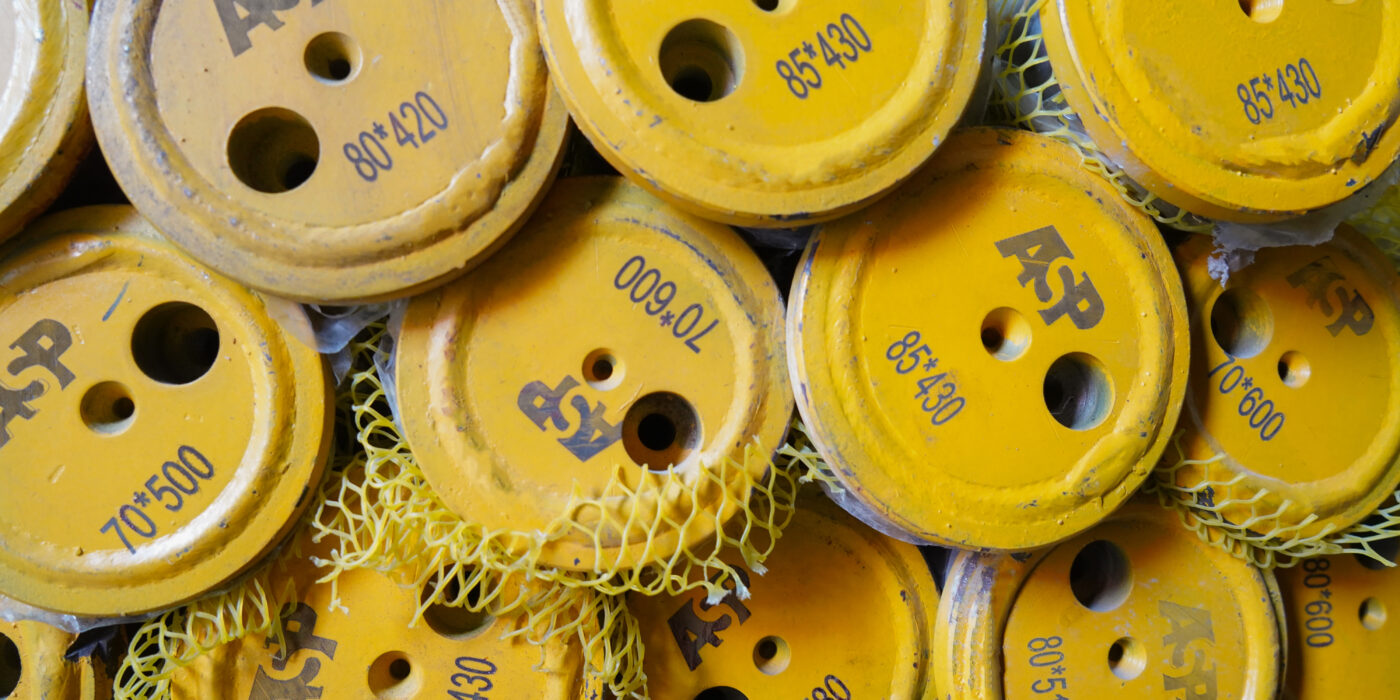
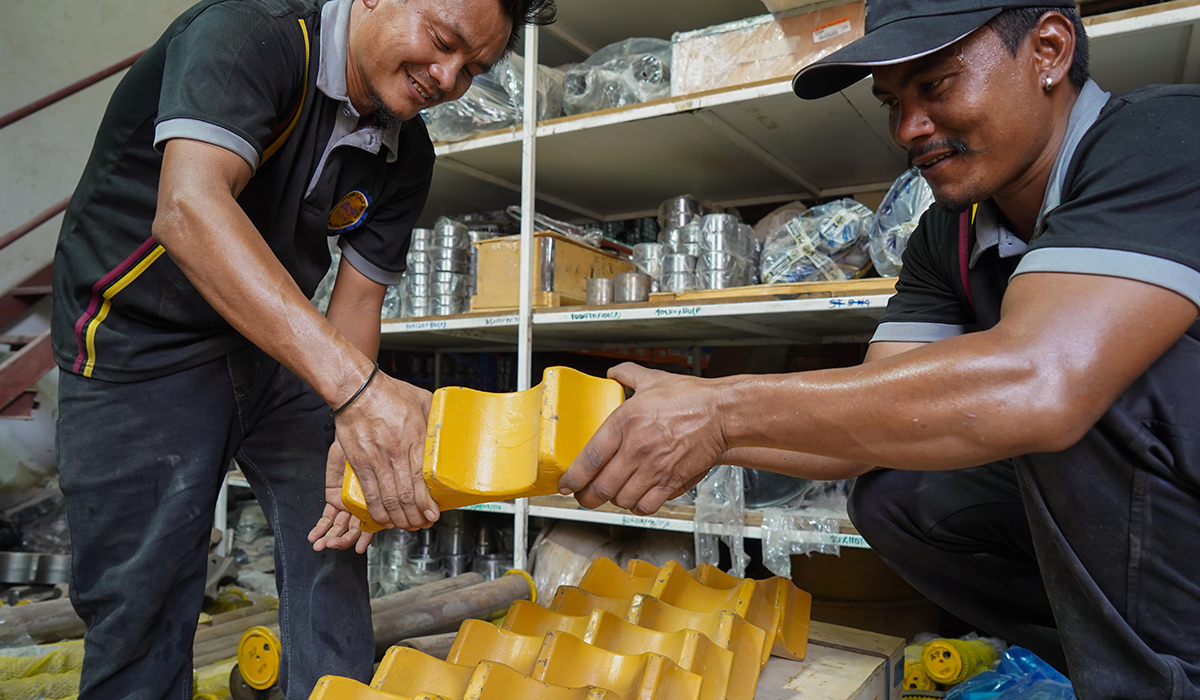
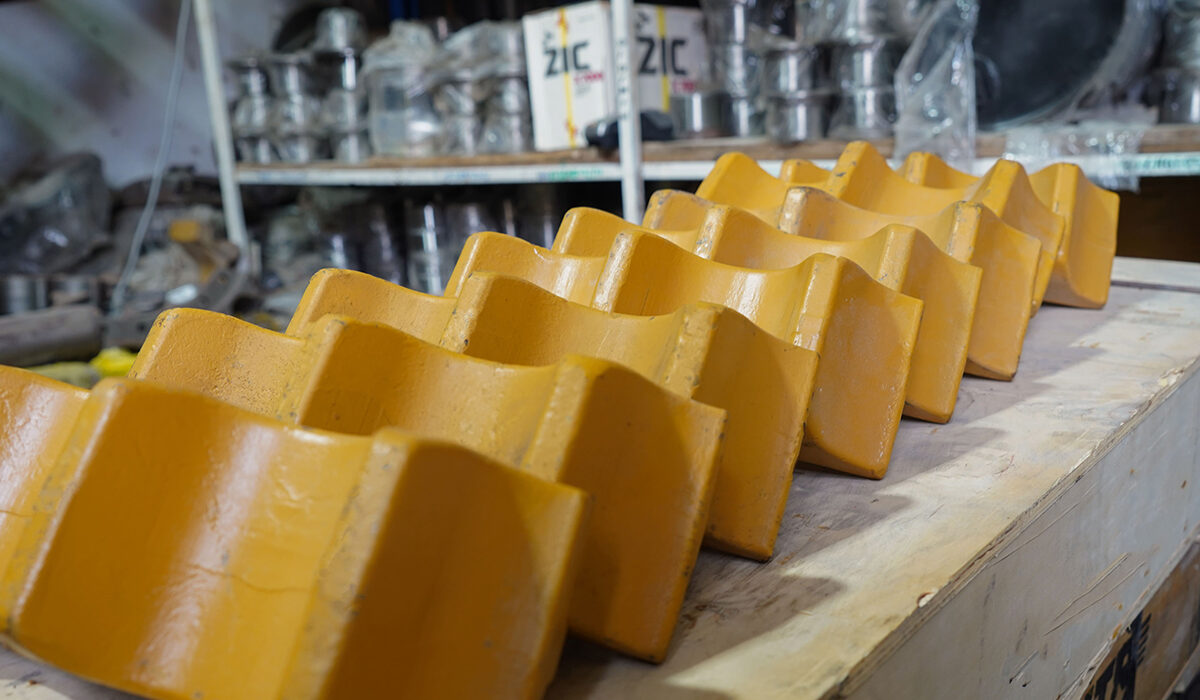
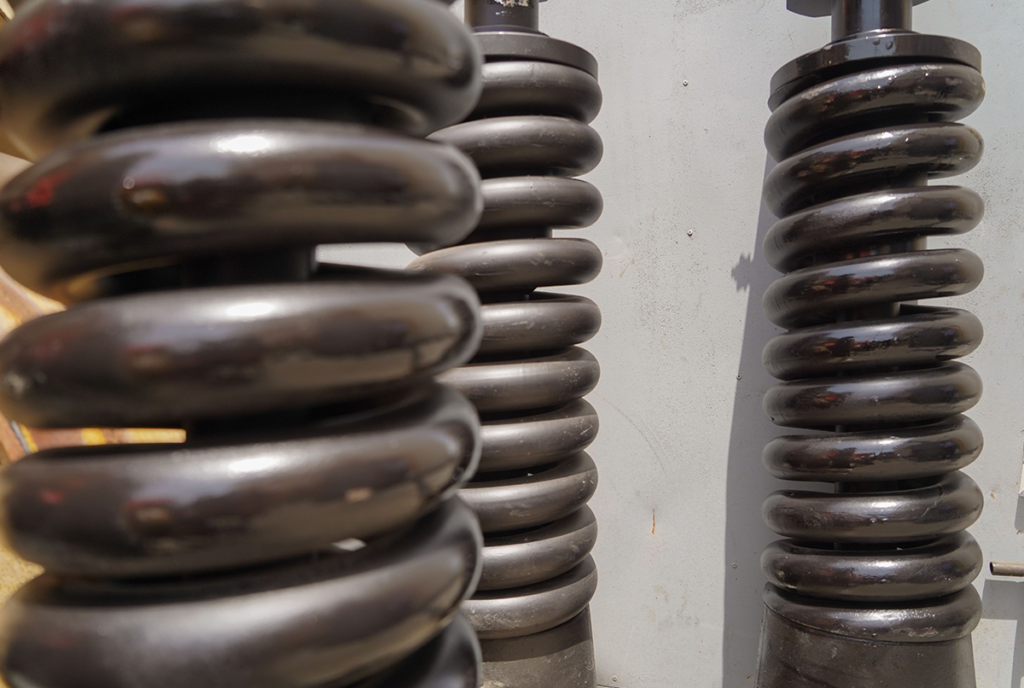
Heavy equipment spare parts are the unsung heroes that keep the wheels of industry turning. They encompass a wide array of components, both big and small, that collectively contribute to the smooth operation of machinery. From hydraulic pumps to gears, filters to bearings, each part has a specific function that, when combined, results in the powerhouse performance of heavy equipment.

Importance of Maintenance

Like any intricate machinery, heavy equipment demands consistent maintenance to function optimally. Regular wear and tear, exposure to rugged environments, and demanding workloads take a toll on various components. This is where spare parts come to the rescue. Timely replacement of worn-out or malfunctioning parts not only restores equipment efficiency but also prevents potential breakdowns that could result in costly downtime.

Benefits of Genuine Spare Parts

The market offers a variety of spare parts, from generic options to genuine components provided by manufacturers. Opting for genuine spare parts offers a multitude of advantages that directly impact equipment performance and your bottom line:

Quality Assurance: Genuine parts are designed and manufactured to meet strict quality standards set by the original equipment manufacturer (OEM). This ensures that every component seamlessly integrates into the machinery, promoting consistent performance and longevity.

Exact Fit: Genuine spare parts are tailor-made for specific equipment models, ensuring an exact fit. This precise fitment eliminates the risk of compatibility issues that may arise with generic alternatives.

Enhanced Performance: Genuine parts are engineered to provide the exact specifications required for optimal performance. This results in efficient power transmission, reduced friction, and overall improved machinery operation.

Durability: Genuine components undergo rigorous testing to withstand the harshest conditions. Their robust construction ensures they can endure heavy workloads and challenging environments without compromising performance.

Warranty Protection: Using genuine spare parts often comes with the added advantage of warranty coverage. This means that in the rare event of a part malfunction, you can rely on the manufacturer’s support.

Resale Value: When the time comes to upgrade your equipment, having used genuine spare parts can positively influence its resale value. Potential buyers recognize the value of well-maintained machinery with authentic components.

In conclusion, heavy equipment spare parts are the backbone of machinery maintenance, contributing significantly to operational efficiency and longevity. Opting for genuine spare parts offers a plethora of benefits that go beyond short-term fixes, ensuring the sustained performance of heavy equipment in the long run. By investing in the authenticity and reliability of genuine components, you’re not just maintaining machinery; you’re safeguarding your operations and paving the way for unparalleled performance.

Remember, when it comes to heavy equipment, genuine spare parts aren’t just a choice – they’re a commitment to excellence.